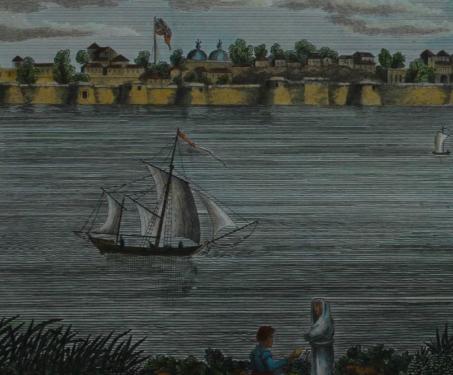
Gateways to India
The sea is witness to much that defines India and our port cities are the sentinels of change. Let’s travel to some old and new ports through the Sarmaya collection of maps and engravings and imagine them at the peak of their power

The sea is witness to much that defines India and our port cities are the sentinels of change. Let’s travel to some old and new ports through the Sarmaya collection of maps and engravings and imagine them at the peak of their power
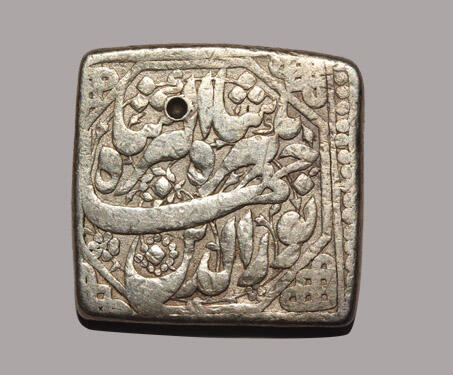
This silver square rupee coin was issued by Jahangir. An inscription in Persian on the obverse reads ‘”Noor ud din Jahangir Shah Akbar Shah.” The reverse shows the Persian month Shahrewar, Ilahi date, and zarb, with test marks appearing on both sides. The Ilahi month inscribed on this silver coin is ‘Shahrewar.’ Jahangir took a… Read more »
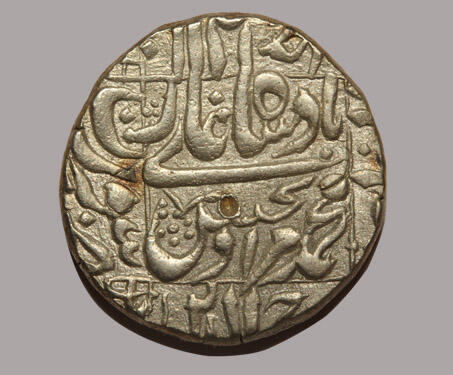
The coin was minted in surat and is a ‘kalima’ type. It reads “kalima shahada” inscribed around the name of four Khalifas (Caliphs) which are inscribed inside the square, on the obverse. It reads “muhammad murad baksh badshah ghazi” on the reverse. Murad Bakhsh was the youngest son of Mughal Emperor Shah Jahan and Mumtaz… Read more »
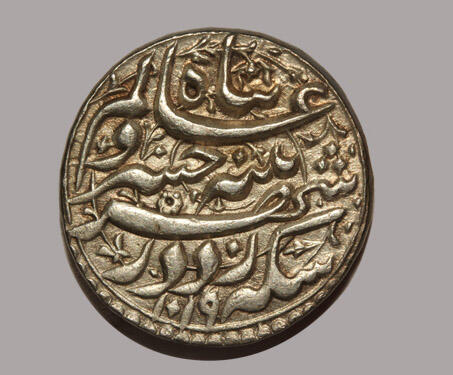
This coin is a ‘noordah’ couplet coin minted in the town of Kabul. It reads ‘Tazand az namme jahangir shah, sikka buwad noor dahe mihr-o-mah, do chashmi he, zarb kabul’. The coin is silver and struck inside a circle. The coin flan is broad and the inscription on both obverse and reverse appears interspersed with… Read more »
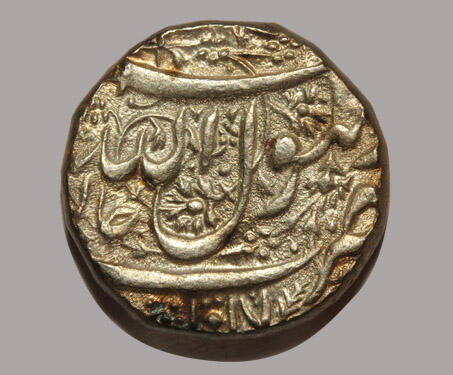
This coin is a decorative ‘kalima type’ seen during the reign of Jahangir. It was minted probably in the brief period that Bijapur was in the possession of the Mughals. Both Akbar and Jahangir attempted yet failed to consolidate power in the state of Bijapur. The coin is silver and struck inside a circle. The… Read more »
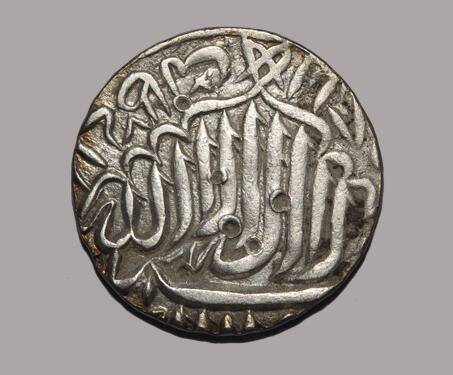
This silver coin was issued by Akbar and minted at Akbarpur Tanda. The coins consist of the ‘Kalima’ inscribed on the obverse and the name and title of the issuer, date and mint on the reverse. This particular coin from the Akbarpur Tanda mint is considered to be very rare, with the ‘Maltese cross’ mint… Read more »
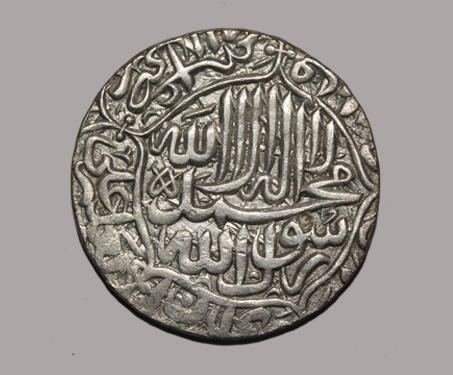
This silver coin was issued in by Akbar, minted at Agra, and is known as the ‘Kalima type’. Inscribed on both the sides, the coins consist of the ‘Kalima’ (Islamic affirmation of faith) on the obverse and the name and title of the issuer, date and mint on the reverse. On the obverse side of… Read more »
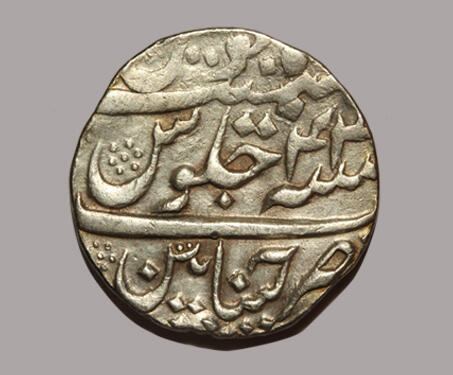
The East India Company (EIC) had established themselves in the village town called ‘Madrasapattam’ (now Chennai) in 1639-1640. This became the first major English settlement in India. In 1687, Aurangzeb’s conquest of Golconda and Bijapur led to the introduction of silver coins in southern India. The EIC sought permission from the Mughal Empire to mint… Read more »
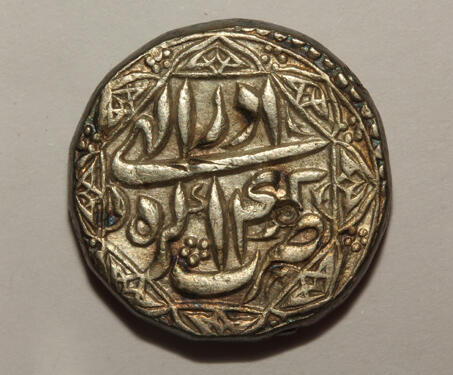
This silver coin is inscribed on both the obverse and reverse and the inscriptions appear inside a floral design motif. This qualifies it in the ‘Decorative type’ category of coin issued by Emperor Akbar. Akbar’s Ilai coins typically bore the Ilahi creed: Allahu Akbar Jalla Jalalhu. He issued silver Ilahi coins minted at Agra in… Read more »
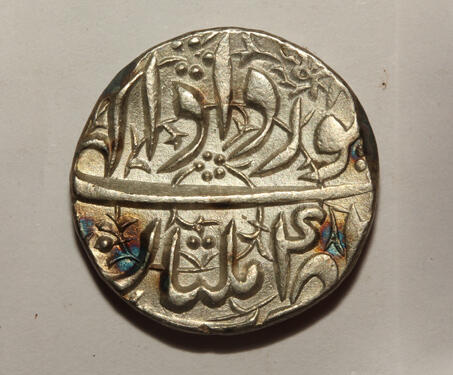
This silver coin is inscribed on both the obverse and the reverse and shows a floral design motif. The coin has a broad flan typical of a ‘Nazrana type’ coin issued by Emperor Akbar. A Nazrana coin was struck specifically for guests who wished to present it in the Durbar in honour of the Emperor.… Read more »
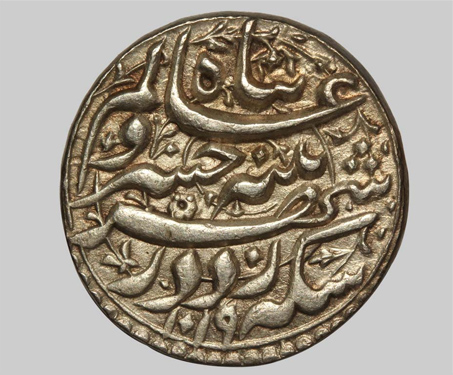
This coin was minted in Patna with an ‘Alam Panah’ couplet. It reads ‘Shahe Nooruddin Jahangir, Ibn Akbar Badshah, Sikka e zad dar shahera patna, Khushru e Alampanah’. Jahangir took a keen interest in coinage, minting some of the best specimens from the Mughal period. His reign saw a vast variety of coinage. He popularised… Read more »